
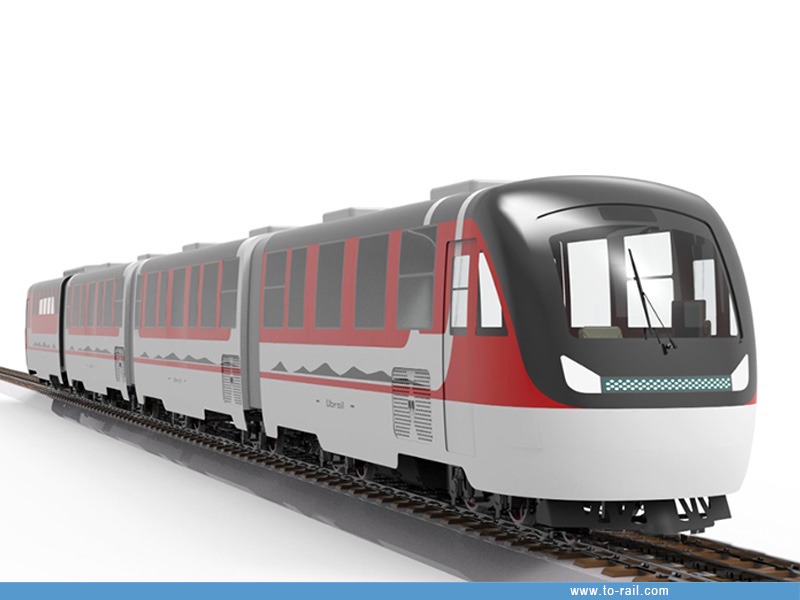
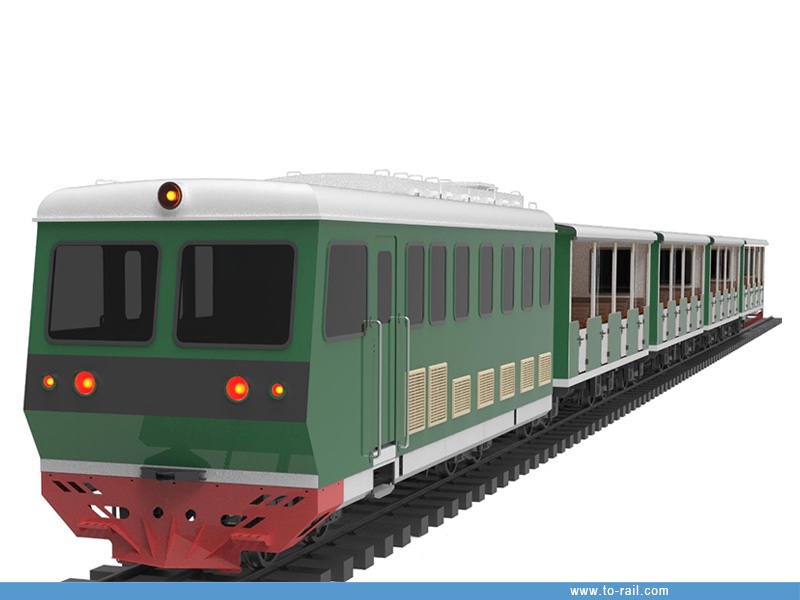
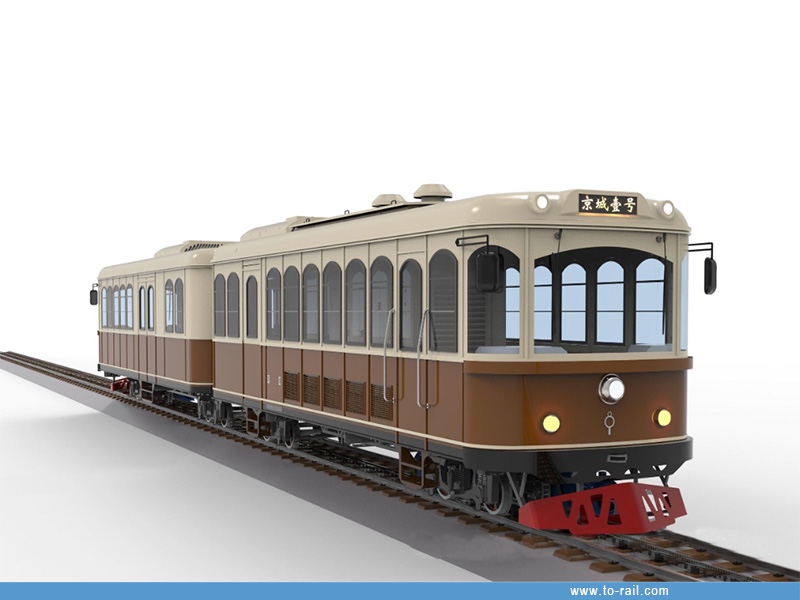
Rack and Pinion Mountain Sightseeing Train Tourist Steep Mountain Rack Train
- Category: Railway Tourist Train
- Gradient: ≤ 480 ‰
- Curve radius:≥ 40m
- Gauge:762 mm,900 mm,1000mm,1200 mm,1435 mm
- Operating speed:≤ 20 km/h
Rack and Pinion Mountain Sightseeing Train Tourist Steep Mountain Rack Train
1. Brief introduction:
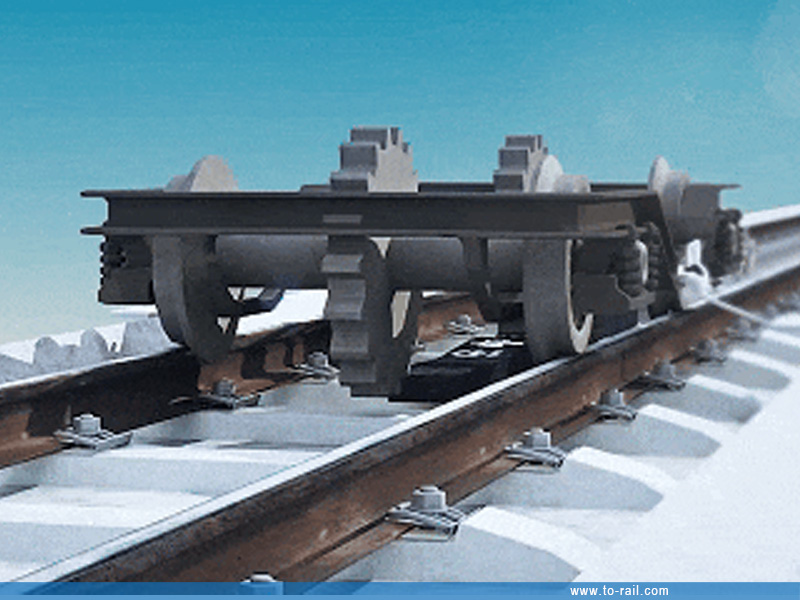
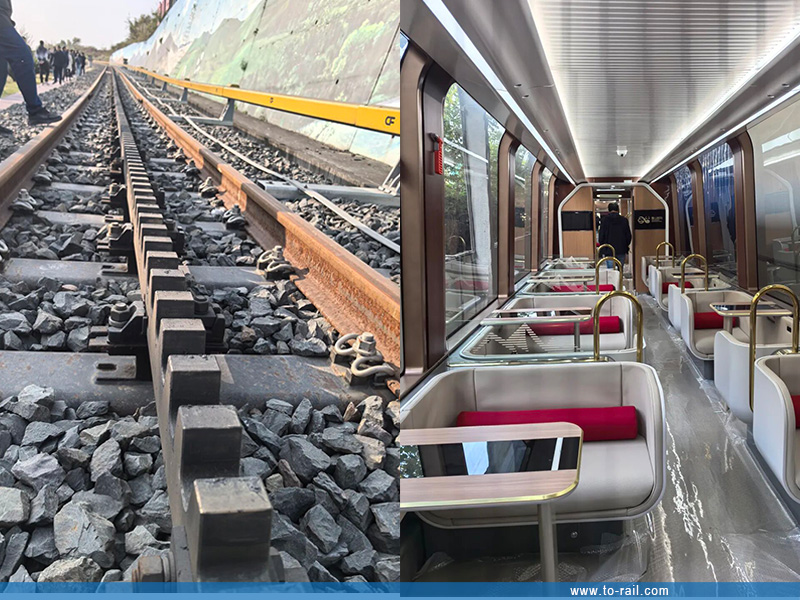
A mountain (rack) railway is constructed by laying one or more special toothed rack rails in the middle of ordinary railway tracks. Correspondingly, one or more pinion gears are installed on the bogies of locomotives and rolling stock.
When the train climbs on rack railway lines, traction and braking forces are transmitted through the meshing between the pinion gears and the rack rails. This overcomes the insufficient adhesion problem of ordinary rolling stock on steep gradients, ensuring safe operation.
The maximum climbing capacity can reach 480‰. Mountain rack railways are mainly used in mountain scenic areas.
2. Main technical parameters:
|
Gradient |
≤ 480 ‰ |
|
Curve radius |
≥ 40 m |
|
Gauge |
762 mm,900 mm,1000mm,1200 mm,1435 mm |
|
Operating speed |
≤ 20 km/h |
|
Train formation |
2–4 cars |
|
Capacity |
≤ 300 passengers per train
|
3. Advantages of Rack-and-Pinion Mountain Sightseeing Trains
- Strong climbing ability
Can climb steep slopes that ordinary trains cannot handle, with gradients up to 45% or more, using rack-and-pinion meshing to avoid slipping.
- High safety performance
The gear engages securely with the rack rail, providing stable braking and low derailment risk, even in fog, rain or snow.
- Excellent adaptability to mountain terrain
Suitable for mountainous scenic areas with flexible route layout, less earthwork and lower impact on the landscape.
- Great sightseeing experience
- Eco-friendly
Mostly electric-driven with zero emissions, meeting low-carbon and environmental protection requirements.
INQUIRY
RELATED PRODUCTS
CATEGORIES
CONTACT US
Name: Ms. Zhang
Mobile:+86-13222235952
Whatsapp:+86-13222235952
Email:sales@to-rail.com
Add:Room B1701, Building 4, Dongfang Xintiandi, Yangshe Town, Zhangjiagang, Suzhou City, Jiangsu Province, China